tweetkeep
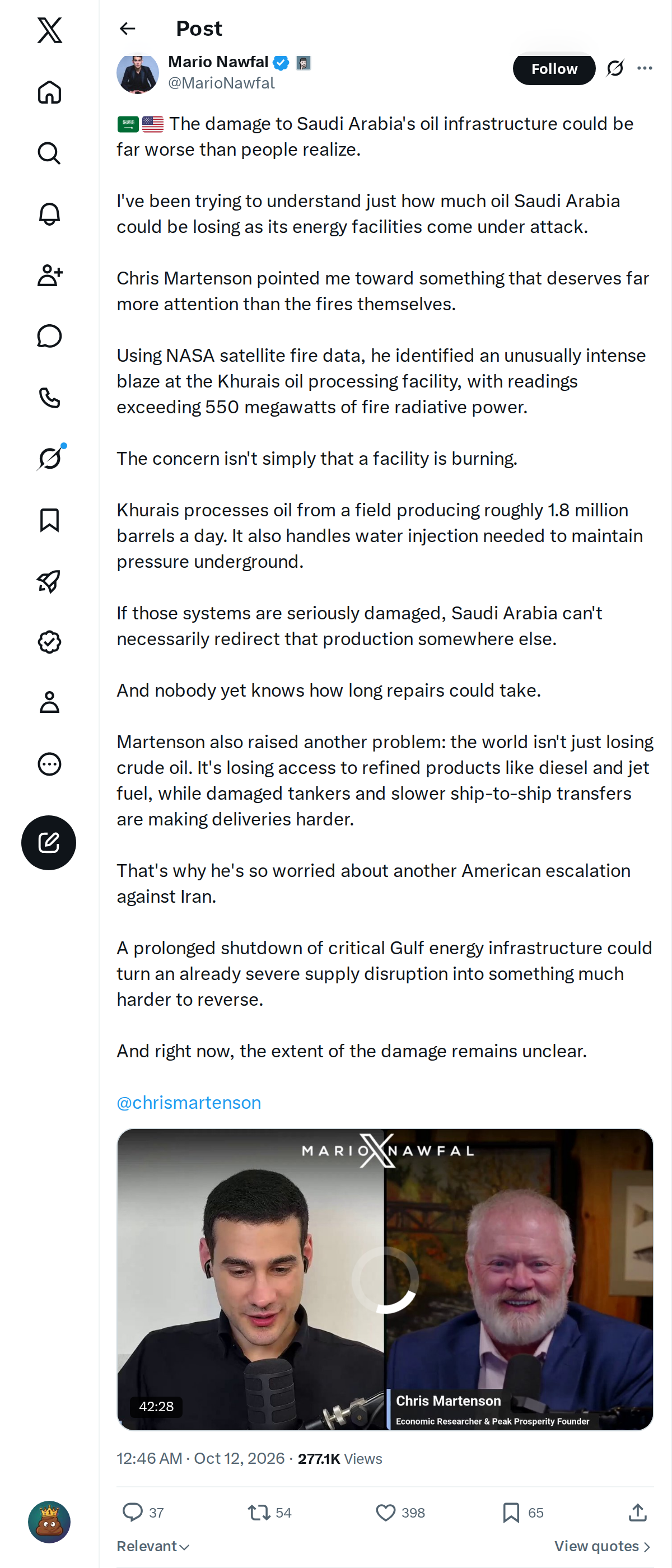
🇸🇦🇺🇸 The damage to Saudi Arabia's oil infrastructure could be far worse than people realize.
I've been trying to understand just how much oil Saudi Arabia could be losing as its energy facilities come under attack.
Chris Martenson pointed me toward something that deserves far more attention than the fires themselves.
Using NASA satellite fire data, he identified an unusually intense blaze at the Khurais oil processing facility, with readings exceeding 550 megawatts of fire radiative power.
The concern isn't simply that a facility is burning.
Khurais processes oil from a field producing roughly 1.8 million barrels a day. It also handles water injection needed to maintain pressure underground.
If those systems are seriously damaged, Saudi Arabia can't necessarily redirect that production somewhere else.
And nobody yet knows how long repairs could take.
Martenson also raised another problem: the world isn't just losing crude oil. It's losing access to refined products like diesel and jet fuel, while damaged tankers and slower ship-to-ship transfers are making deliveries harder.
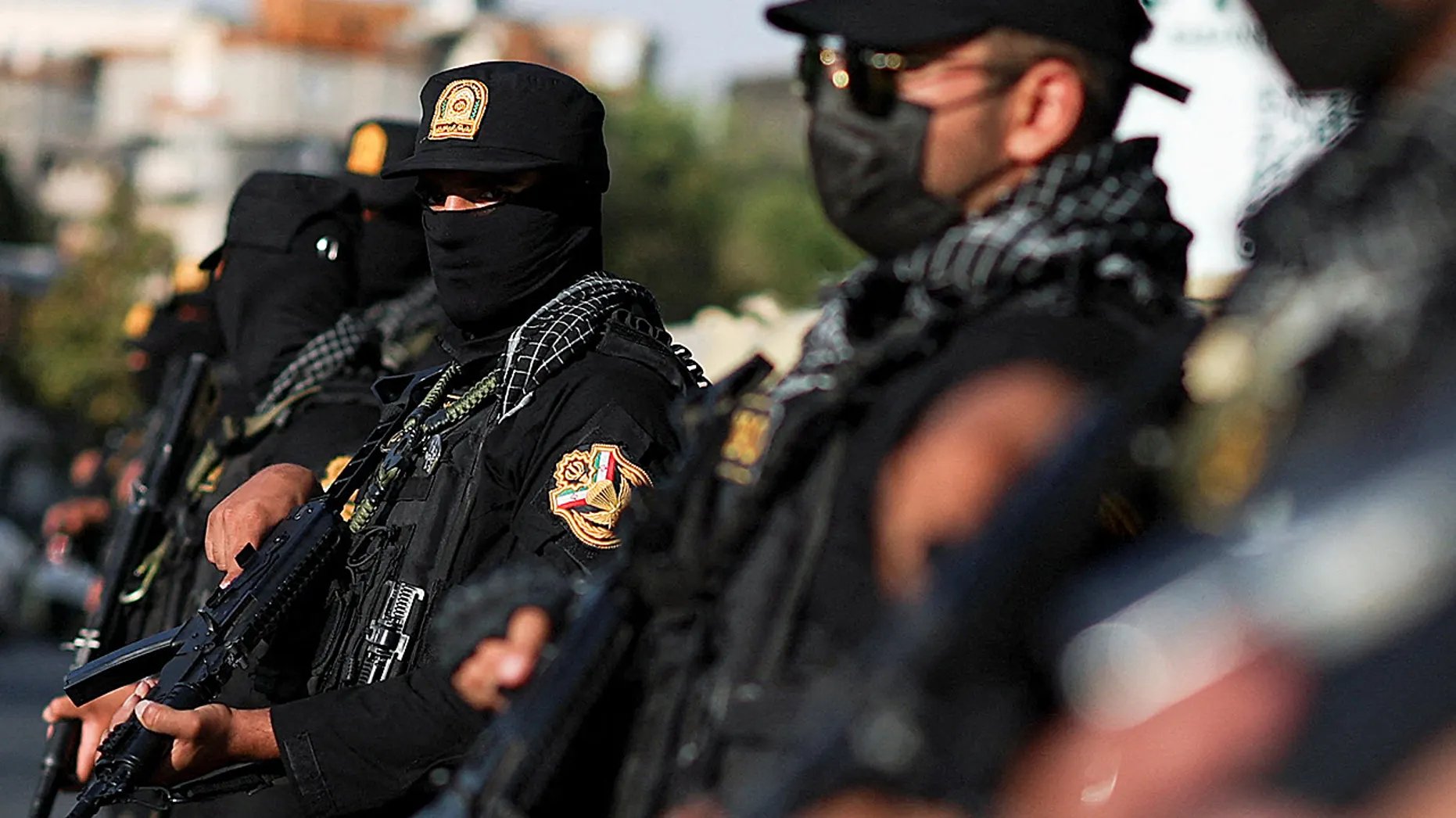
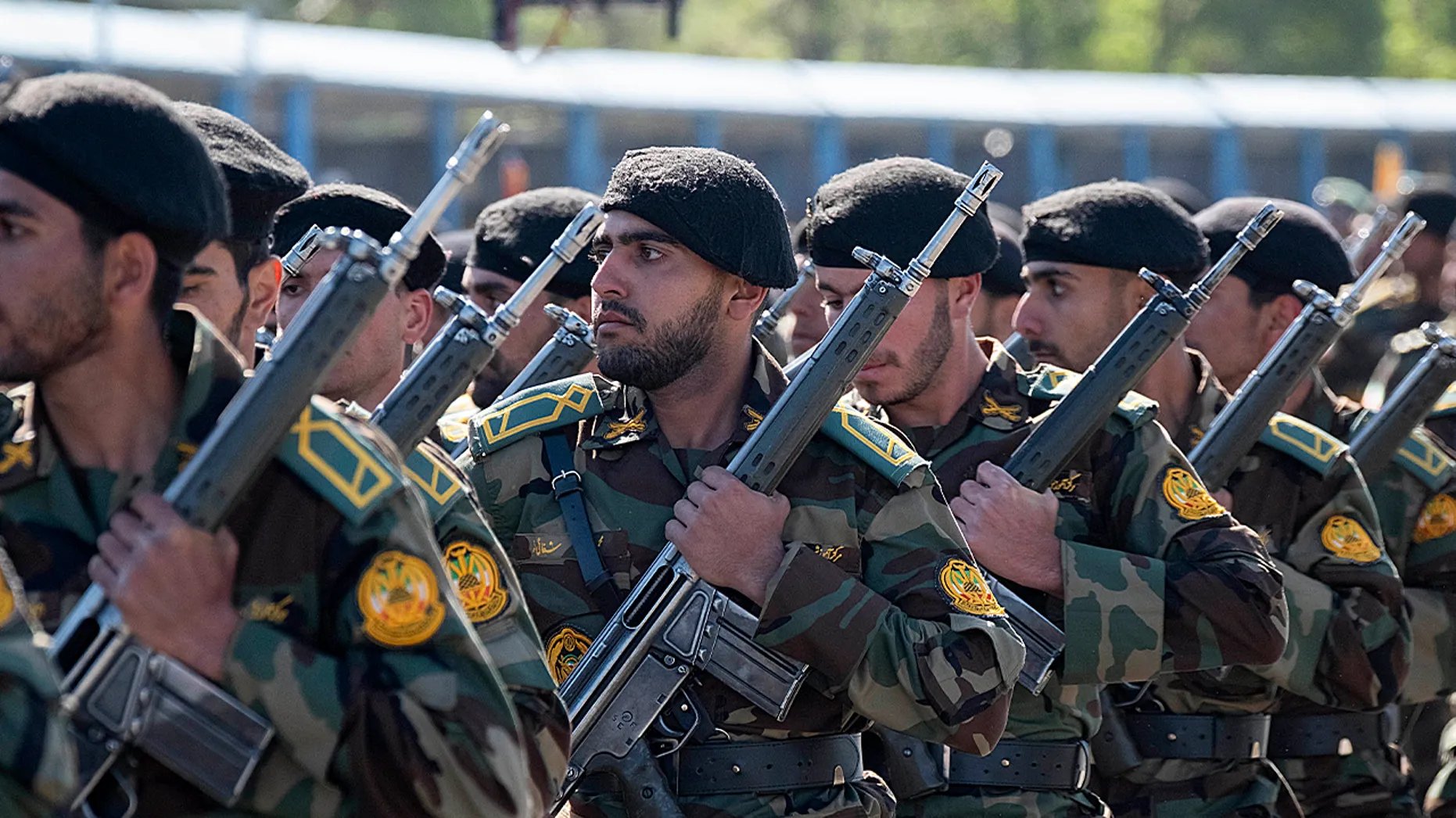
That's why he's so worried about another American escalation against Iran.
A prolonged shutdown of critical Gulf energy infrastructure could turn an already severe supply disruption into something much harder to reverse.
And right now, the extent of the damage remains unclear.
@chrismartenson
💬 37🔁 52
♥ 398👁 277K
Top reply · ♥ 1

ابو مؤيد @Mnh9p9TxZugSN1F ·
↗
The Houthis have indeed launched hypersonic missiles. Who is supplying them with the advanced technologies and expertise required to do so—capabilities that would be extremely difficult for an armed group to develop on its own?
Protecting global trade, energy security, and civilian lives is a shared international responsibility. It is not reasonable for the world to benefit from energy sources and the security of these vital waterways while treating their defense as a burden to be borne by Saudi Arabia alone.