🇮🇱🇵🇸 Despite wars around the world increasingly exposing the power of ethnic loyalties, modern multicultural societies remain reluctant to confront an uncomfortable question:
Could differences in ethnocentrism between populations help explain why certain conflicts become so difficult to contain?
Evolutionary psychology suggests that loyalty to one's own group has deep roots in human survival.
For thousands of generations, cooperation with relatives and trusted allies offered important advantages, while competition between communities encouraged strong collective identities and suspicion toward outsiders.
But these tendencies need not be expressed equally across populations.
Different environments, histories and cultural institutions can produce variation in how strongly communities prioritize their own members.
Anthropological studies of the Yanomami, for example, have documented intense intercommunity rivalries and warfare, illustrating how powerful group boundaries can become, although their causes remain debated.
Jewish history presents another interesting case.
For centuries, Jewish communities maintained distinct identities across Europe despite being small minorities surrounded by much larger Christian populations.
They endured expulsions, forced conversions, segregation and extraordinary persecution without losing their collective identity.
Their survival raises questions about the strength of the mechanisms that preserved communal boundaries across generations.
It is possible that prolonged persecution reinforced particularly strong traditions of solidarity and sensitivity to threats from outsiders.
Whether inherited psychological differences also contributed remains an unproven hypothesis.
But these questions become especially relevant when examining modern Israel.
The creation of a Jewish state transformed a historically vulnerable national identity into one backed by sovereign institutions and formidable military power.
Yet memories of persecution, the Holocaust and repeated regional wars remained central to Israeli political culture.
Then came October 7.
Hamas's attacks intensified fears of national destruction, contributing to a political environment in which military restraint could be portrayed as a threat to survival.
Israel's subsequent campaigns in Gaza and Lebanon raise difficult questions about the relationship between collective identity and military escalation.
Could particularly strong national solidarity, reinforced by historical persecution, make some political constituencies more willing to accept enormous military and humanitarian costs in pursuit of security?
And could those pressures make compromise increasingly difficult, even when further escalation threatens a wider regional war?
For some Israeli political movements, military dominance and territorial control are considered essential guarantees against future attacks.
But military escalation can deepen hostility among neighboring populations, reinforcing the very fears that motivated it.
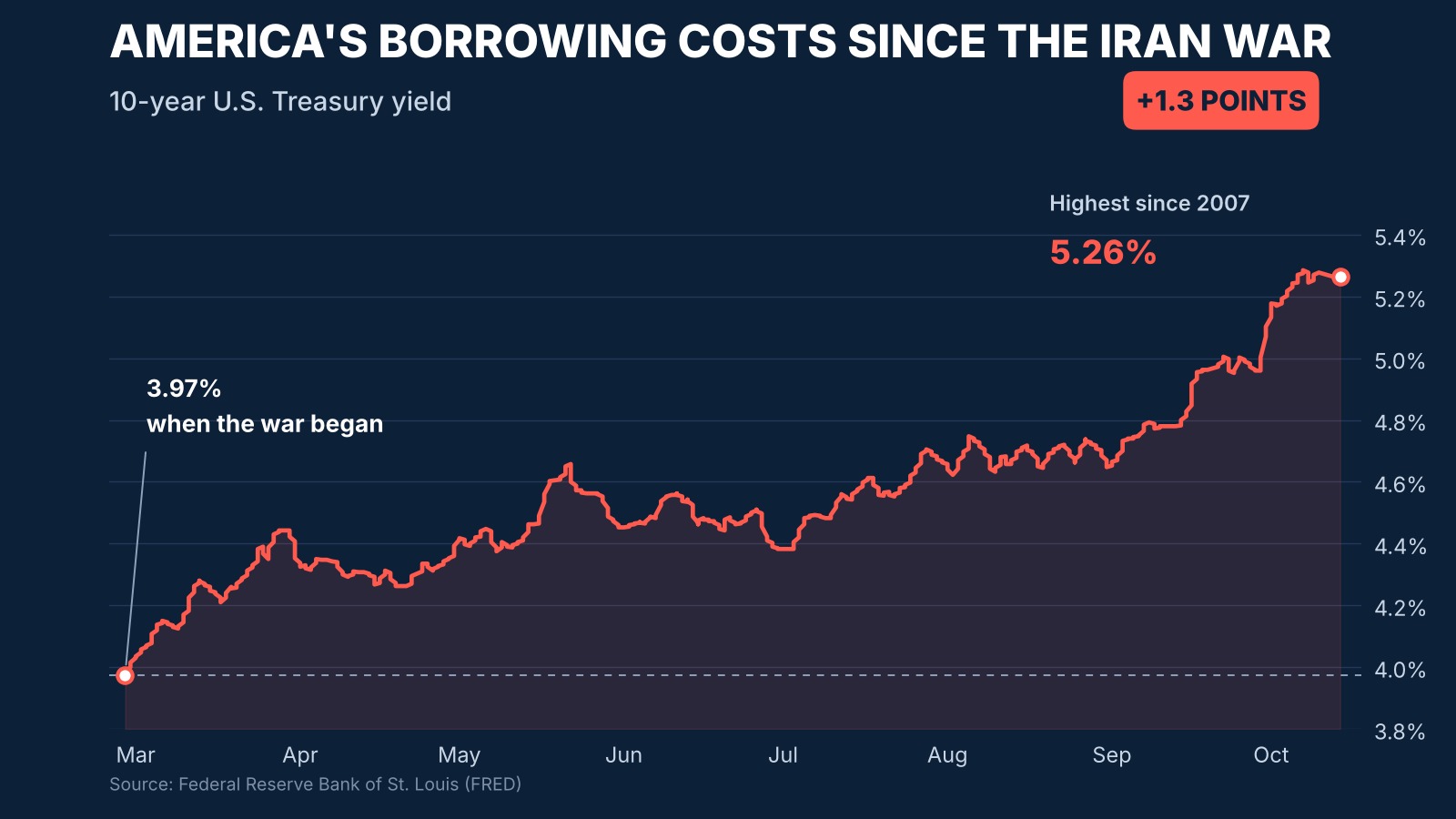
This becomes especially dangerous as Israel's confrontation with Iran threatens to draw the United States and its regional allies into wider conflict.
Western governments must therefore consider how historical persecution, collective identity and ethnocentrism may influence Israeli decisions.
If these forces make compromise increasingly difficult, each new confrontation could strengthen the perceived need for military action, creating a cycle of escalation that becomes progressively harder to contain.
Writer: Mhedi
t.co/jInS7SMLYZ tweetkeep