tweetkeep
🇸🇪 Are screens and AI making our kids dumber?
Sweden seems to think so, and it's not the only country having second thoughts.
Not long ago, Sweden was the poster child for digital schooling.
Now it's spending hundreds of millions of kronor on printed textbooks, bringing back handwriting, restricting phones and cutting screen time for younger kids, after reading and concentration levels started heading south.
The latest science is starting to explain why.
A huge review published in JAMA Pediatrics last month pulled together data on more than 2.8 million children across 64 countries and linked higher screen time to lower grades, weaker language development and more emotional and behavioral problems.
The effects were in the same ballpark as other well-known risks to child development.
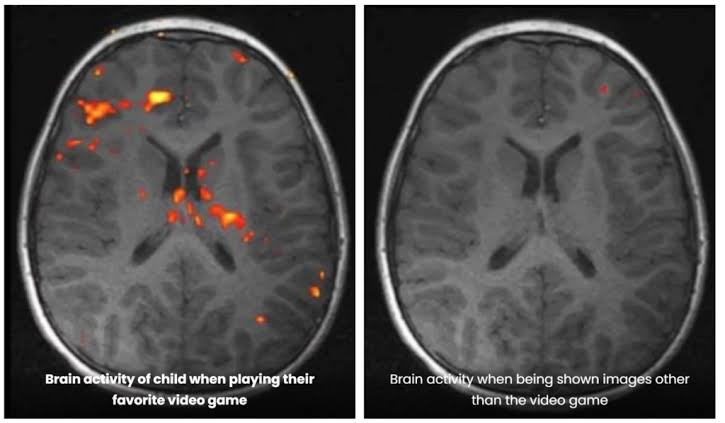
Brain scans are telling a similar story.
A Northwestern University study found toddlers' brains were more active in the areas tied to attention, learning and social skills during reading, playing and chatting with their parents than while watching a screen, even when they seemed totally absorbed in the movie.
And then there's AI.
UC Berkeley researchers found that just 10 minutes of relying on an AI tool made people worse at sticking with hard problems once the tool was gone, with many giving up faster than people who never used it.
Another study, in the journal Cerebral Cortex, found that 6- and 7-year-olds using ChatGPT showed less activity in the brain networks that handle focus and self-control than adults doing the same task.
Some researchers now call it "cognitive stunting," the risk that kids who hand their thinking over to AI miss out on the struggle that actually builds the skills.
None of this means screens or AI have no place in school. The worry is about making them the default for the basics, while young brains are still learning how to focus and push through.
Sweden isn't turning its back on tech, it's just figuring out that some things a pencil and a bit of boredom still do better.
Sources: JAMA Pediatrics, The Guardian, Northwestern University, UC Berkeley, Cerebral Cortex, LA Times, BBC / Writer: Julie
💬 35🔁 98
♥ 422👁 67K
Top reply · ♥ 3

Food Cut @FoodCut1 ·
↗
The big review is real.
A JAMA Pediatrics paper from September 2026 pooled 23 meta-analyses covering nearly 3 million children in 64 countries.
But the experts quoted said the links with grades and mental health are very small, around 1% of the differences between groups, and mostly cross-sectional.
It shows an association, not that screens did it.